Key Points:
- Start Planning Early: Begin your trade show planning 3–6 months before your event to allow time for booth selection, exhibit design, shipping, and logistics.
- Create a Realistic Budget: Include booth space, your trade show display, shipping, installation, show services, travel, stay, and marketing. As a starting guideline, budget an additional 30%–50% of your display price for exhibit-related services.
- Choose the Right Trade Show Booth: A 10x10 display is often a practical starting point for first-time exhibitors because it offers a professional presentation space with manageable setup requirements.
- Follow a Trade Show Checklist: Stay organized by tracking exhibitor deadlines, booth setup, marketing materials, shipping arrangements, and staff responsibilities.
- Measure Your Results: Establish clear goals, prepare your team, collect qualified leads, and follow up after the event to evaluate your success.
How Do You Plan for Your First Trade Show?
Planning for your first trade show can feel like a lot at first, but getting an early start makes the process much easier. Begin by setting a realistic budget, choosing a display that fits your booth space and goals, and creating a checklist to keep everything on track.
There’s also more to a successful trade show than simply picking a great-looking booth. You'll also need to coordinate shipping deadlines, understand show requirements, address electrical and internet needs, prepare marketing materials, and develop a strategy for engaging potential customers once the doors open.
The more you can prepare ahead of time, the fewer surprises you’ll run into at the show. Whether you're exhibiting at a small industry event or a major convention, the following steps will help you stay organized, control costs, and feel more confident heading into your first trade show.
1. Start Your Trade Show Planning Early
One of the biggest favors you can do for yourself when planning a trade show is to start early. Giving yourself enough lead time means you’ll have more display options, more time to make design changes, and a much better chance of avoiding rush fees or expensive last-minute shipping.
How Far in Advance Should You Plan for a Trade Show?
For a first trade show, it’s a good idea to start planning about 3 months before the event. That may sound early, but the time can go quickly once you factor in booth design, graphic approvals, shipping, show services, and internal approvals.
Larger custom exhibits and major conventions may require even more lead time, especially if your booth includes custom fabrication, hanging signs, monitors, flooring, or other specialty elements.
Recommended Trade Show Planning Timeline
3–6 Months Before
Select the event, reserve booth space, establish goals, and create a budget.
2–3 Months Before
Choose your trade show display, review exhibitor requirements, finalize booth design, and prepare marketing materials.
1–2 Months Before
Approve graphics, arrange shipping, order show services, and prepare staff.
2–4 Weeks Before
Confirm delivery details and finalize booth setup plans.
Show Week
Set up your booth, test equipment, and begin exhibiting.
After the Show
Follow up with leads, review expenses, and evaluate results.
Can You Prepare for a Trade Show in Less Than 30 Days?
Yes, it can be done. Some portable trade show displays can be produced and shipped in less than 7 days, but your options may be more limited. Display availability, production schedules, shipping requirements, and event deadlines will determine what's possible.
Planning Tip: Request the event's exhibitor manual as early as possible. This document contains some of the most important information, including booth rules, shipping deadlines, labor requirements, electrical ordering, internet services, and other show-specific details.
2. Create a Realistic Trade Show Budget
Understanding the full cost of exhibiting is one of the most important parts of preparing for your first trade show. The display itself may be the most visible expense, but it is far from the only one.
Here is a quick, general trade show calculator to help plan out total event costs.
First-time exhibitors are often surprised by how quickly the smaller costs can add up. In addition to your booth and graphics, you may also need to budget for shipping, labor, material handling, electrical service, internet, travel, and marketing materials.
How Much Does It Cost to Exhibit at a Trade Show?
There is no single price for exhibiting at a trade show. Your total cost will depend on the event, booth size, display type, and services required. A complete exhibiting budget should include:
- Booth Space: The cost of renting exhibit space from the event organizer.
- Trade Show Display: The booth structure, printed graphics, counters, monitors accessories, and presentation equipment.
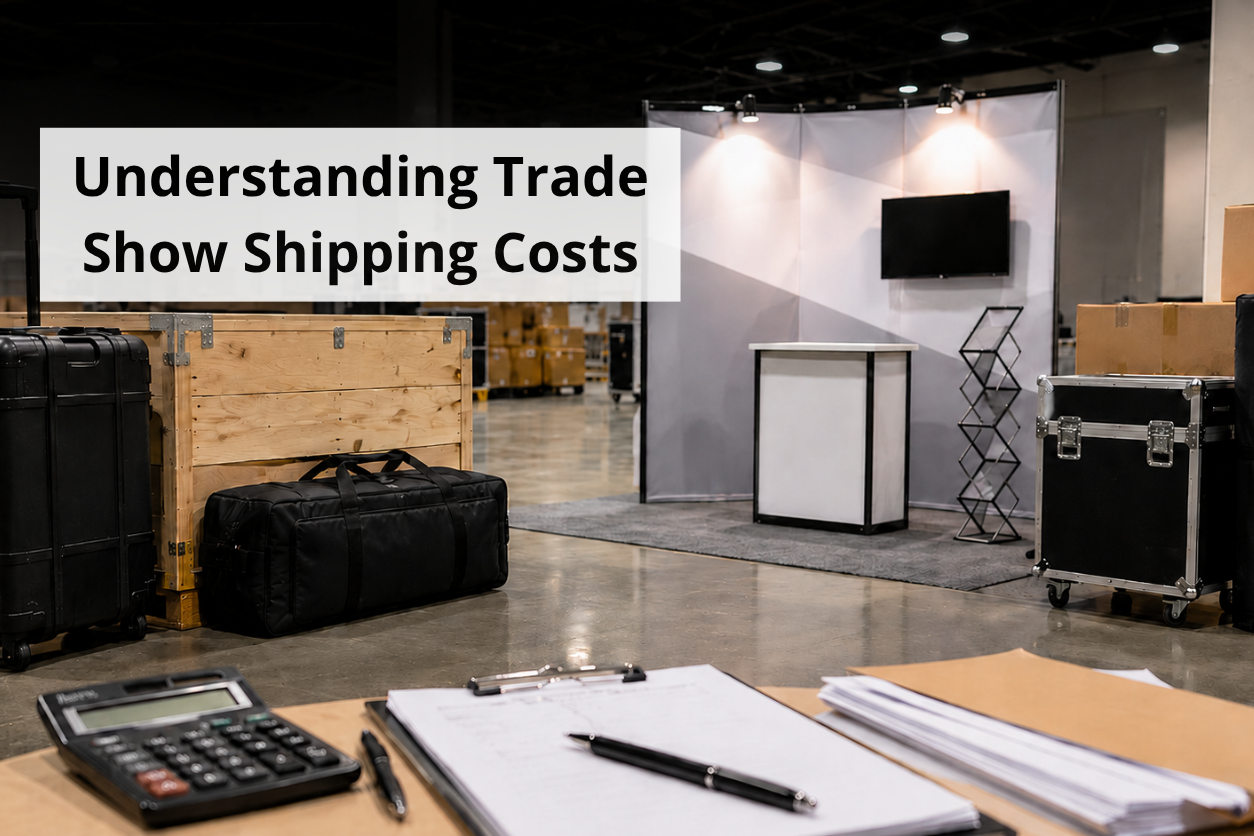
- Shipping: Transportation of your display and materials to and from the event.
- Installation and Dismantling (I&D): Labor required to assemble and take down your booth, when needed.
- Material Handling (Drayage): The cost of receiving your freight and moving it from the loading area or advance warehouse to your booth.
- Show Services: Electrical connections, internet, cleaning, rigging, and other venue services.
- Travel Expenses: Flights, hotels, meals, and transportation for exhibiting staff.
- Marketing Materials: Promotional products, printed materials, giveaways, and lead collection tools.
How Much Should You Budget Beyond Your Trade Show Display?
As a starting point, we recommend budgeting an additional 40%-50% of your display price and booth space cost for shipping, installation, material handling, electrical services, and other exhibit-related expenses.
That does not mean every event will fall within that range. A simple portable booth may require much less, while a larger exhibit with freight shipping, professional installation, multiple monitors, lighting, or hanging signs may cost more.
This percentage is intended as a planning guideline rather than a guaranteed estimate. Booth space, travel, hotels, meals, and marketing costs should also be budgeted separately.
What Is Drayage at a Trade Show?
Drayage, also called material handling, is one of those trade show terms that many first-time exhibitors do not encounter until they start planning their event.
In simple terms, drayage is the service that receives your exhibit freight and moves it within the convention center or event facility. This usually includes transporting your freight from the loading dock or advance warehouse to your booth and handling it again during move-out.
Drayage is separate from the cost of shipping your booth to the event, and the difference can be confusing the first time you exhibit.
The cost is often based on the weight of your shipment, how it arrives, and when it is delivered. For larger or heavier exhibits, material handling can become a significant part of the overall show budget.
Budgeting Tip: Request itemized quotes and order show services before discounted deadlines whenever possible. Many show services cost less when they are ordered ahead of time, while last-minute requests can come with noticeably higher rates.
3. Choose the Right Trade Show Booth Size
Selecting the right booth size is an important part of trade show planning, especially if it’s your first event. Your exhibit should provide enough space for branding, demonstrations, and attendee conversations without creating unnecessary expenses like paying for space you won’t actually use.
For many first-time exhibitors, a 10x10 trade show booth is a good place to start. It offers enough room for presentation space, portability, and cost.
What Size Trade Show Booth Is Best for First-Time Exhibitors?
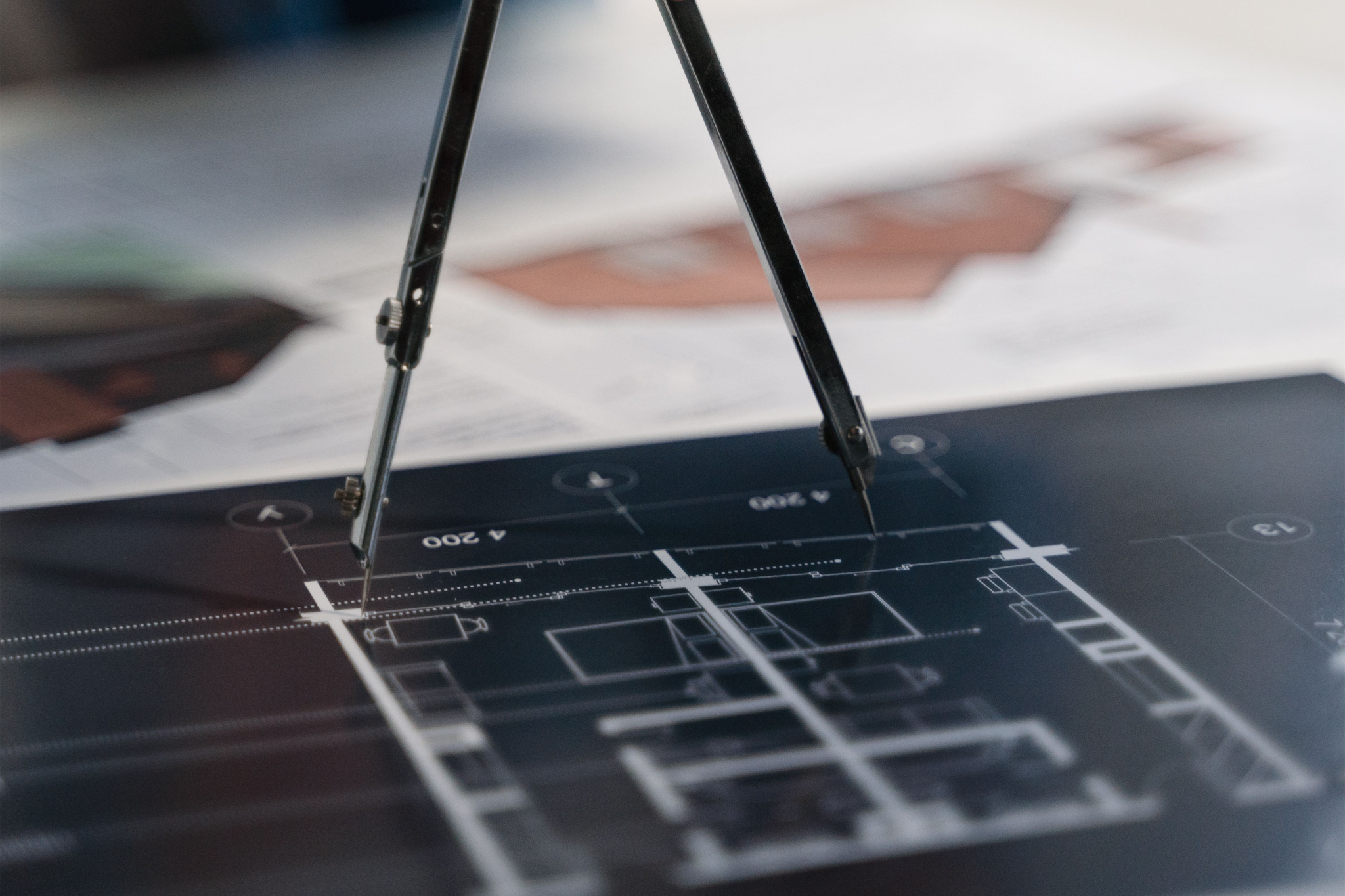
A 10x10 trade show booth is often a good starting point because it provides 100 square feet of exhibit space and can accommodate professional graphics, product presentations, and a small team.
Common trade show booth sizes include:
10x10 — 100 sq. ft.
Best for first-time exhibitors, small teams, and simple product presentations.
10x20 — 200 sq. ft.
Provides more room for larger demonstrations, additional staff, and multiple presentation areas.
20x20 — 400 sq. ft.
Common for island exhibits, meeting areas, and larger brand experiences.
20x30 — 600+ sq. ft.
Well suited for large-scale exhibits, interactive displays, and multiple product zones.
As your booth gets larger, the cost usually increases in more areas than just the exhibit space. Larger displays may also mean higher shipping, material handling, flooring, electrical, and labor costs, so it’s worth choosing a size based on what you actually need rather than simply going bigger.
What Makes a Good Trade Show Booth?
A good trade show booth attracts attention, communicates your brand clearly, and makes it easy for visitors to interact with your team.
Effective booth designs typically include:
- Clear branding visible from the aisle.
- Simple messaging that explains your products or services.
- Professional graphics with readable text.
- An open layout that encourages visitors to enter.
- Space for demonstrations or conversations.
- Appropriate lighting and presentation equipment.
Try to think about the booth from an attendee’s point of view. Can they tell what your company does within a few seconds? Is there an obvious place to walk in? Can they approach your staff without having to navigate around tables, chairs, or equipment?
A larger booth doesn't automatically create better results. A well-designed 10x10 display with clear messaging can be more effective than a larger exhibit with confusing graphics or poor traffic flow.
For a first event, it often makes more sense to start with a booth size you can manage comfortably. Once you understand your traffic, staffing needs, and what works best for your audience, you can always move into a larger space at future shows.
Explore 10x10 trade show displays from MODdisplays to compare portable, backlit, and modular options for your first event.
4. Decide Whether to Buy or Rent Your Trade Show Display
One of the biggest decisions for first-time exhibitors is whether to purchase a display or rent one for the event.
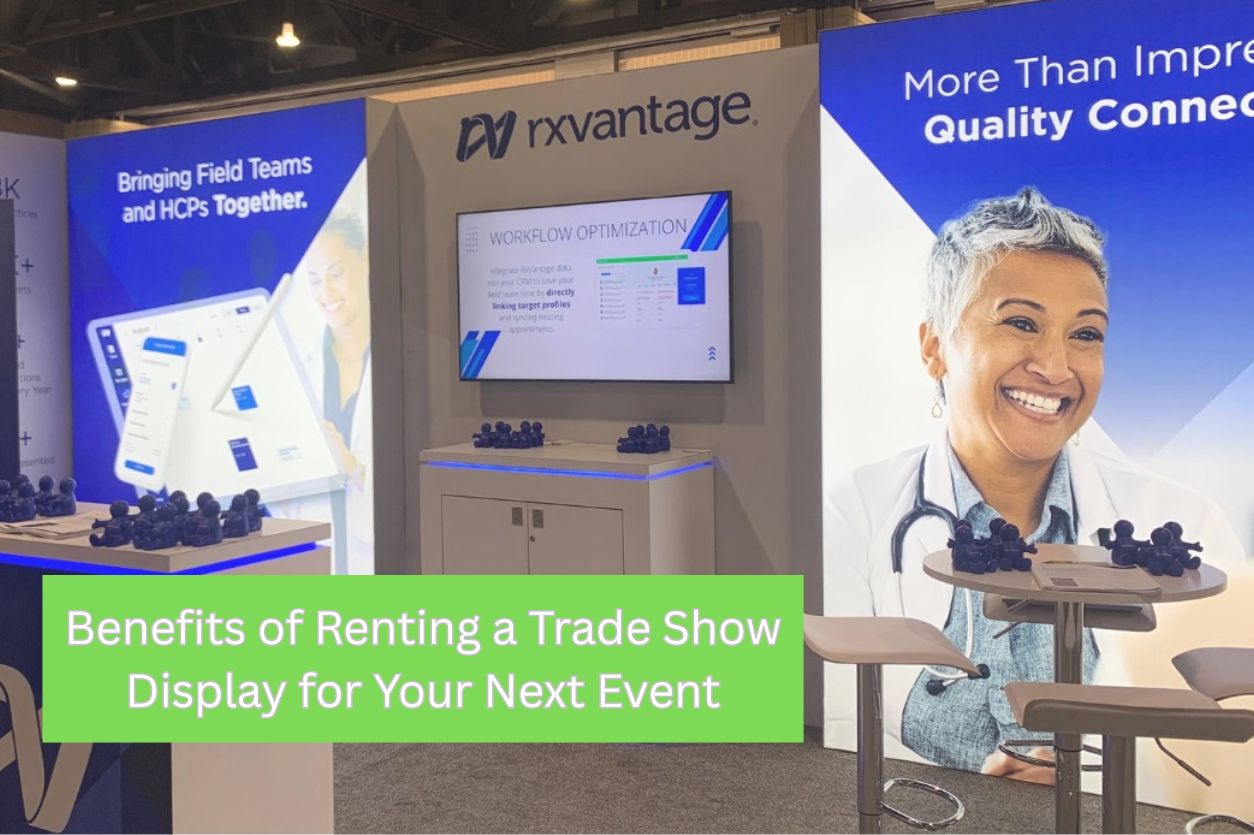
There’s no one-size-fits-all answer. If you know trade shows will be a regular part of your marketing plan, buying may make more sense over time. If you’re trying a show for the first time, experimenting with a new booth size, or simply don’t want to deal with storage afterward, renting can be a very practical option.
Is It Better to Buy or Rent a Trade Show Booth?
Buying a Trade Show Display
Good for companies exhibiting regularly.
Provides consistent branding.
Requires storage between shows.
Creates a reusable company asset.
May provide better long-term value.
Renting a Trade Show Display
Good for first-time or occasional exhibitors.
Allows different booth styles between events.
Eliminates long-term hardware storage.
Avoids purchasing the exhibit hardware.
May reduce upfront investment.
Do Trade Show Booth Rentals Include Shipping and Setup?
Most rental programs offer shipping coordination, professional installation and dismantling, and show services management. These services may be quoted separately depending on the rental provider and package.
For first-time exhibitors, working with a rental company that can help coordinate these details can make the process much easier. Instead of trying to manage several vendors on your own, you have a clearer idea of who is handling each part of the booth from delivery through teardown.
Before booking a rental, ask exactly what is included in the quote and what you’ll still need to arrange through the event or venue. That can help prevent unexpected costs or last-minute surprises during move-in.
5. Use a Trade Show Checklist to Stay Organized
A trade show checklist helps exhibitors manage important deadlines, responsibilities, and logistics before, during, and after an event.
For first-time exhibitors, having everything written down is especially helpful because it makes it much less likely that an important detail gets missed.
What Should Be Included in a Trade Show Checklist?
A good checklist should cover the full event, not just booth setup. That means planning ahead for logistics, staffing, lead collection, and what happens once the show is over.
Before the Trade Show
- Confirm event dates and booth location.
- Review the exhibitor manual and show regulations.
- Establish your budget and goals.
- Purchase or rent your trade show display.
- Finalize booth graphics and marketing materials.
- Order electrical, internet, and other required services.
- Arrange shipping and confirm delivery deadlines.
- Schedule installation and dismantling labor if needed.
- Book travel and accommodations.
- Prepare your lead collection system.
- Train staff on products, messaging, and goals.
During the Trade Show
- Inspect your booth after setup.
- Test lighting, monitors, and presentation equipment.
- Keep your exhibit clean and organized.
- Engage attendees with relevant questions.
- Record qualified leads and conversation details.
- Schedule follow-up meetings when appropriate.
After the Trade Show
- Confirm booth dismantling and return shipping.
- Follow up with qualified leads.
- Compare actual expenses against your budget.
- Evaluate lead quality and sales opportunities.
- Identify improvements for your next event.
Planning Tip: Assign one person to own the checklist and keep an eye on major deadlines. That does not mean they have to handle every task themselves, but having one person responsible for tracking progress helps prevent things from falling through the cracks.
6. Prepare for Trade Show Booth Setup and Shipping
Trade show booth setup involves more than simply putting the display together. Before you arrive, you’ll also need to know when your freight can be delivered, when your team is allowed on the show floor, what labor rules apply, and whether your booth needs electricity or other services.
Confirming these details before the event can help prevent delays and unexpected expenses.
Can You Set Up a Trade Show Booth Yourself?
Yes. Many portable trade show displays are designed for straightforward assembly by one or two people.
However, larger modular exhibits, hanging signs, and complex display systems may require professional installation.
Some convention centers also have labor rules that restrict what exhibitors can assemble themselves.
Should You Ship to the Advance Warehouse or Directly to the Show?
Shipping to the advance warehouse allows your display to arrive before the official move-in period. The show contractor receives and stores the freight, then delivers it to your booth when move-in begins.
Direct-to-show shipping sends your freight to the venue during a specific receiving window. This can sometimes reduce storage time, but it also leaves less room for delays. If a truck arrives too early, too late, or misses the receiving window, it can create extra complications.
The best option depends on your production schedule, shipping costs, and event requirements.
Before shipping, confirm:
- The correct delivery address and receiving dates.
- Your booth number and exhibitor information.
- Shipping labels and freight requirements.
- Material handling arrangements.
- Return shipping instructions.
Do Trade Show Booths Require Electricity?
Not all trade show displays require electricity. Basic non-illuminated displays may operate without power, while backlit displays, monitors, computers, and other electronic equipment generally require electrical service.
Review your display's power requirements before ordering electricity from the event.
Setup Tip: Before the show, create a simple floor plan that shows where your display, counters, monitors, and electrical connections will go. Even a basic sketch can make move-in much smoother and help prevent surprises once everything is on the show floor. Additionally, many shows will require an electrical chart when you order the electric for the booth.
7. Avoid Common Trade Show Planning Mistakes
First-time exhibitors often run into problems that are completely avoidable. In most cases, it isn’t because the booth itself is bad; it’s because planning started too late, important costs were missed, the messaging was unclear, or the team wasn’t fully prepared.
Understanding these common mistakes can help you plan a more successful event.
What Are the Most Common Trade Show Mistakes?
1. Underestimating Total Costs
Booth space and display costs are only part of your budget. Shipping, drayage, installation, and electrical services can add substantial expenses.
How to Avoid It: Request itemized quotes and include all expected show-related expenses in your budget.
2. Waiting Too Long to Plan
Late decisions can limit display availability, increase shipping costs, and cause exhibitors to miss discounted service deadlines.
How to Avoid It: Begin planning 3 months before the event whenever possible.
3. Overcomplicating Your Booth Design
Too many graphics, messages, or products can make it difficult for visitors to understand what your company offers.
How to Avoid It: Keep your main message simple, make your branding easy to spot from the aisle, and leave enough open space for people to enter the booth comfortably.
4. Failing to Prepare Booth Staff
Even an attractive exhibit can underperform if staff members aren't prepared to engage visitors and qualify leads.
How to Avoid It: Train your team on product information, conversation starters, and lead collection procedures.
5. Neglecting Post-Show Follow-Up
Collecting leads provides limited value without a plan to turn those conversations into business opportunities.
How to Avoid It: Establish a follow-up process before the event and prioritize qualified prospects afterward.
Planning Tip: After the show, write down what worked, what didn’t, and what surprised you. Those notes can be more useful than you think when it’s time to plan the next event.
8. Follow Trade Show Best Practices to Generate Better Results
Successful trade show exhibiting takes more than a good-looking booth. Your display may be what gets someone to stop, but your team is what determines whether that interaction turns into something useful.
The best exhibitors usually have a simple plan for how they want to engage visitors, what information they need to collect, and what should happen after the conversation ends.
What Are the Best Practices for a Successful Trade Show?
Five practical strategies include:
- Set Clear Goals: Decide whether your priority is generating leads, scheduling meetings, launching products, or building brand awareness.
- Keep Booth Messaging Simple: Trade show attendees are walking past dozens, sometimes hundreds, of booths. They should be able to understand who you are and what you offer within a few seconds. If your main message takes too long to read or explain, it may be doing too much.
- Encourage Conversations: Ask attendees relevant questions rather than immediately delivering a sales pitch.
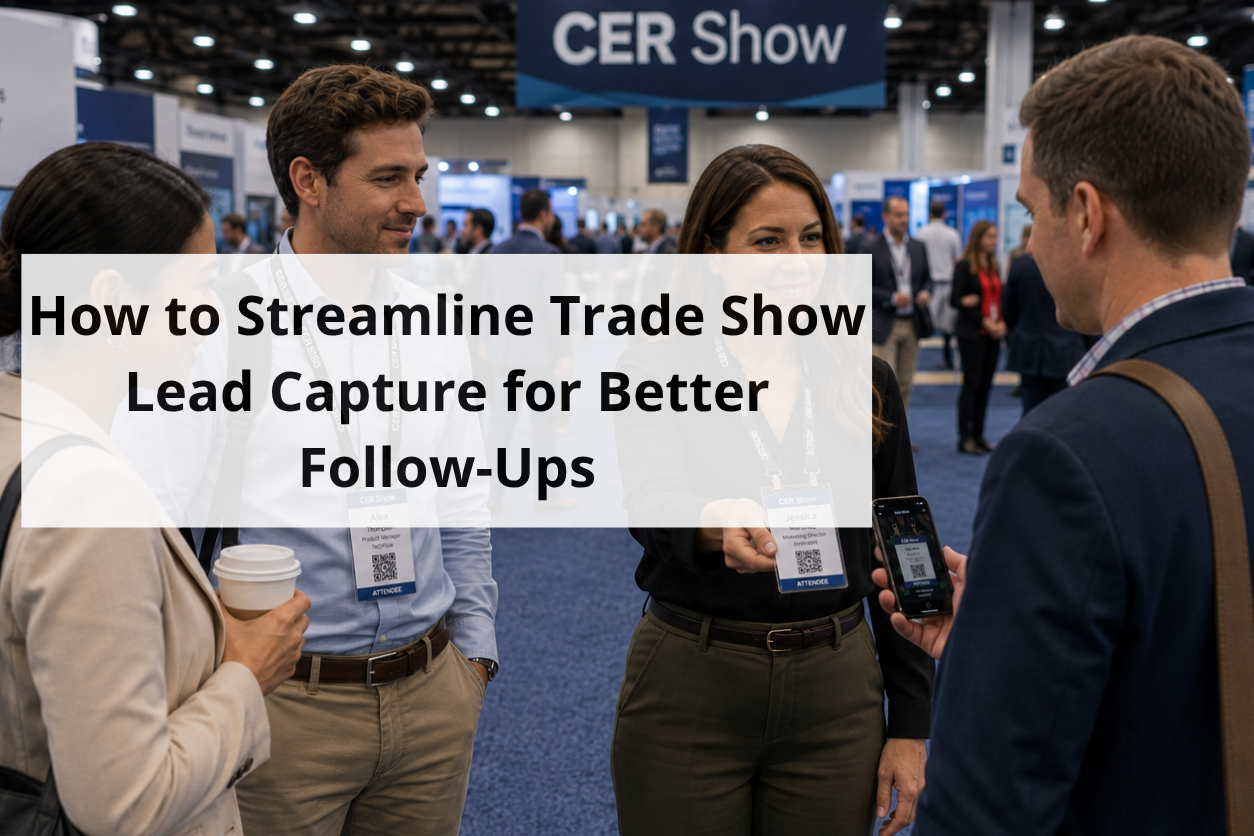
- Collect Quality Leads: Record contact information, product interests, purchasing timelines, and next steps.
- Follow Up Promptly: Contact qualified prospects while your conversation is still fresh.
How Do You Attract Visitors to Your Trade Show Booth?
Use visible branding, professional graphics, an inviting layout, relevant product demonstrations, and staff who actively engage attendees.
The goal is to attract visitors who are genuinely interested in your products or services, not simply generate foot traffic.
Remember, your booth is to pique interest in your business. Your staff, through conversations, will deliver the bulk of the information. Keep your display wording to a minimum.
How Quickly Should You Follow Up After a Trade Show?
Aim to contact high-priority leads within 24–48 hours when practical. Other qualified prospects should receive follow-up based on their interests and purchasing timelines.
A personalized message referencing your conversation is generally more useful than a generic sales email.
9. Measure Your Trade Show Results
Evaluating your first trade show helps determine whether the event was a worthwhile investment and what you should do differently next time.
Your results should be measured against the goals established before the event.
How Do You Measure Trade Show Success?
Common trade show performance metrics include:
- Number of qualified leads collected.
- Number of meetings or demonstrations completed.
- Cost per qualified lead.
- Number of sales opportunities generated.
- Revenue attributed to the event.
- Return on investment (ROI).
How Do You Calculate Trade Show Cost Per Lead?
Divide your total exhibiting cost by the number of qualified leads collected.
Cost Per Qualified Lead = Total Exhibiting Cost ÷ Number of Qualified Leads
For example, if your company spends $10,000 on a trade show and collects 100 qualified leads, your cost per qualified lead is $100.
How Do You Calculate Trade Show ROI?
A common calculation is:
ROI = (Attributed Profit − Total Event Cost) ÷ Total Event Cost × 100
Use profit attributable to the event rather than total sales revenue alone.
Not every lead will become a customer immediately. Depending on your industry, trade show opportunities may take weeks or months to convert into sales.
10. Frequently Asked Questions About First-Time Trade Shows
How Many People Should Staff a 10x10 Trade Show Booth?
A 10x10 trade show booth can often operate with one or two staff members at a time. The appropriate staffing level depends on expected visitor traffic, demonstrations, and how much space is available.
What Should You Bring to Your First Trade Show?
Bring your exhibit components, marketing materials, lead collection equipment, staff supplies, charging cables, business cards if needed, and copies of important shipping and exhibitor documents.
Then think about the smaller things that are easy to forget until you need them.
Useful items can include:
- Extension cords and approved power strips.
- Phone and tablet chargers.
- Tape, scissors, and basic tools.
- Cleaning wipes and paper towels.
- Pens and notepads.
- Water and snacks for booth staff.
Are Trade Shows Worth It for Small Businesses?
Yes, trade shows are valuable for small businesses when the event attracts relevant buyers, exhibiting costs are manageable, and the company has a clear strategy for generating and following up with leads.
What Is the Biggest Mistake First-Time Exhibitors Make?
One of the biggest mistakes is underestimating the time and total cost required to exhibit. Starting early, reviewing the exhibitor manual, and following a detailed trade show checklist can help prevent many common problems.
Final Thoughts: The Best Way to Prepare for Your First Trade Show
The best way to prepare for your first trade show is to start planning early, establish a realistic budget, follow a detailed checklist, and choose a display that supports your goals.
You don't need the largest booth or the most elaborate exhibit to make a strong impression. A professional display, clear messaging, organized logistics, and a prepared team can help create valuable business opportunities.
Your first show is also a learning experience. Pay attention to what attendees respond to, what questions they ask, where people naturally gather, and what your team wishes had been done differently.
At MODdisplays, we help businesses find trade show displays that match their branding, budgets, and event requirements.
Ready to Start Planning Your First Trade Show?
Explore our 10x10 trade show displays to compare options for your next event.
Learn more today at MODdisplays.com.